


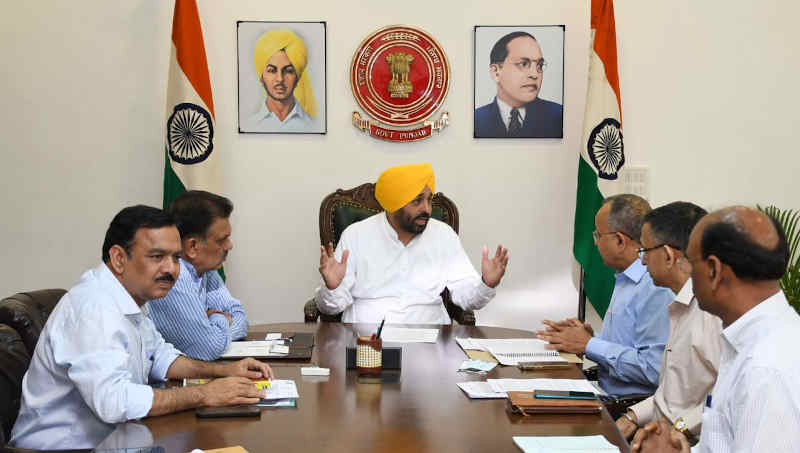
Punjab Government Launches Controversial Cash-Transfer Scheme Amidst Staggering ₹4 Lakh Crore Debt
Beyond the fiscal ledger, the diversion of public funds into populist measures is linked to a broader systemic collapse.
By Rakesh Raman
New Delhi | March 10, 2026
CHANDIGARH — On March 8, 2026, the Punjab government officially operationalized a massive monthly cash-transfer scheme, targeting approximately one crore women across the state just months ahead of the 2027 Assembly elections. Under the new initiative, eligible women will receive ₹1,000 per month, while women from Scheduled Caste communities are set to receive ₹1,500.
A Delayed Promise and Electoral Strategy
The rollout comes nearly four years after the proposal was first introduced as the cornerstone of the 2021 “Mission Punjab” campaign. Critics and analysts describe the timing of the launch—coming in the twilight of the government’s current term—as a “calculated act of electoral bribery” designed to create a “gratitude effect” among voters. Had the payments begun immediately following the 2022 election victory, each eligible woman would have accumulated roughly ₹48,000 in support by now. Instead, the state is accused of withholding these funds until their disbursement could yield the highest political return on investment.
Fiscal Crisis and Economic Concerns
The scheme’s implementation occurs against a backdrop of severe financial instability, with Punjab’s debt ballooning to over ₹4 lakh crore. This level of borrowing has led some experts to characterize the move as “fiscal arson,” arguing that these “freebies” are essentially high-interest loans taken against the future of the next generation.
[ ਪੰਜਾਬ ਵਿੱਚ ਔਰਤਾਂ ਲਈ 1,000 ਰੁਪਏ ਦੀ ਮਦਦ ਜਾਂ 2027 ਦੀਆਂ ਚੋਣਾਂ ਲਈ ਰਿਸ਼ਵਤ? ਆਡੀਓ ਵਿਸ਼ਲੇਸ਼ਣ ]
The scale of the subsidy is also seen as a damning reflection of the state’s economy. The government aims to cover 97% of the state’s female population, excluding only income taxpayers, government personnel, and political representatives. This broad eligibility suggests that Punjab’s middle class has been so thoroughly eroded that nearly the entire population is now classified as “vulnerable”.
RELATED RMN VIDEOS
[ ਰਾਹੁਲ ਗਾਂਧੀ 2027 ਦੀਆਂ ਪੰਜਾਬ ਚੋਣਾਂ ਵਿੱਚ ਕਾਂਗਰਸ ਨੂੰ ਹਰਾਉਣਗੇ। ]
[ ਕੀ 2027 ‘ਚ ਨਵਜੋਤ ਸਿੱਧੂ ਹੋਣਗੇ ਪੰਜਾਬ ਦੇ ਅਗਲੇ ਮੁੱਖ ਮੰਤਰੀ? ]
[ Punjab Election 2027: ਪੰਜਾਬ ਚੋਣਾਂ 2027 ਕਿਹੜੀ ਪਾਰਟੀ ਜਿੱਤੇਗੀ? ]
Systemic Decay and Opportunity Costs
Beyond the fiscal ledger, the diversion of public funds into populist measures is linked to a broader systemic collapse. The sources indicate that while the state spends hundreds of crores on advertising to promote its “success,” foundational structures are failing:
- Infrastructure & Health: Potholed highways, crumbling schoolhouses, and hospitals lacking basic supplies.
- Social Issues: A lethal drug trade and rising religious fundamentalism fueled by a lack of economic hope.
- Human Capital: A desperate exodus of youth seeking employment abroad as the state offers stipends instead of sustainable salaries.
A “Campaign of Deception”
As the 2027 election approaches, the political landscape is defined by a crisis of credibility. The AAP, Congress, BJP, and SAD are increasingly viewed as a monolithic class unable to provide a viable roadmap for the state’s recovery. For many, the 2026 cash-transfer scheme is not viewed as a genuine social safety net, but rather as the latest installment in a long-running campaign of political deception that prioritizes tactical survival over meaningful social welfare.
By Rakesh Raman, who is a national award-winning journalist and social activist. He is the founder of a humanitarian organization RMN Foundation which is working in diverse areas to help the disadvantaged and distressed people in the society.
💛 Support Independent Journalism
If you find RMN News useful, please consider supporting us.