


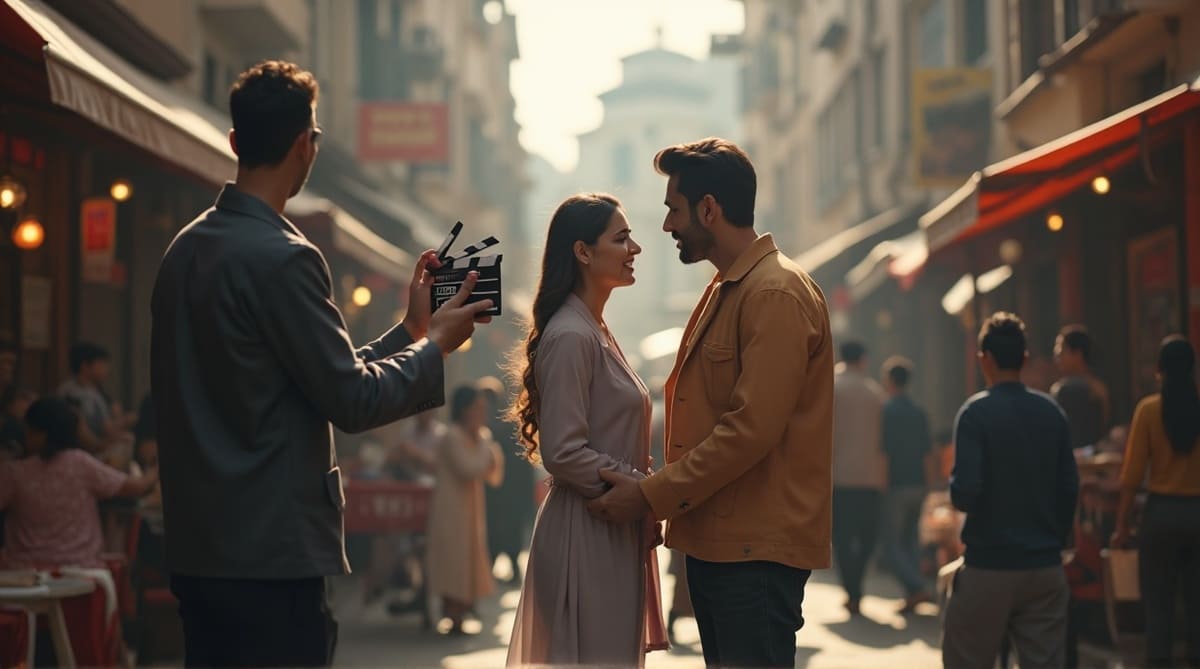
AI in Films Research Report 2026: Irreversible Global Transition Reshapes Cinema Industry
A comprehensive 2026 research report declares the shift to AI-driven filmmaking irreversible, projecting a $4.6 billion market by 2030 amid dramatic cost reductions and regulatory acceptance. Recent SAG-AFTRA agreements and real-world productions signal the end of traditional barriers, empowering independent creators worldwide. Human-directed AI is positioned to democratize high-quality cinema production while maintaining legal protections for original content.
Raman Media Network Entertainment Desk
New Delhi | July 5, 2026
The film industry stands at a pivotal juncture as artificial intelligence transitions from experimental tool to core production infrastructure. Rakesh Raman’s “Inevitability of Artificial Intelligence in Films — The Way Forward” report provides a detailed analysis of this evolution, framing AI as the latest in a long line of transformative technologies that have enhanced rather than replaced cinematic artistry.
Economic forces are accelerating adoption at unprecedented speed. The global AI in filmmaking market is forecast to reach USD 4.6 billion by 2030, supported by a robust 23.6% compound annual growth rate. Studios already realized $2.4 billion in savings in 2023 using early-stage AI tools, demonstrating clear financial incentives even before current capabilities matured. Independent productions benefit most dramatically, with cost structures in markets like India dropping 60-80%, enabling feature films at fractions of traditional budgets.
AI is collapsing production costs by up to 80% and opening cinema to a new generation of independent storytellers worldwide.
Hollywood’s Paradox and Labor Evolution
Major studios continue investing heavily in AI infrastructure despite occasional public skepticism from talent. The June 2026 SAG-AFTRA ratification marked a significant turning point, shifting focus from prohibition to regulated integration of synthetic characters and AI-assisted performances. The agreement includes a no-strike clause through 2030, providing industry stability for technological development.
Real-World AI Success Stories in Cinema
Several high-profile and low-budget projects already showcase AI’s practical value:
– Real-time generative de-aging technology enabled seamless younger appearances for veteran actors.
– AI voice synthesis delivered authentic multilingual performances beyond traditional coaching limits.
– Ultra-low-budget features demonstrate that compelling storytelling is now possible with minimal capital.
These examples illustrate AI functioning as an enabler of creativity, reducing technical constraints while expanding narrative possibilities.
Democratizing Global Filmmaking
Lower entry barriers are shifting power dynamics away from traditional Hollywood centers toward diverse global voices, particularly in India and emerging Asian markets. Advanced localization tools facilitate near-instant dubbing and adaptation, allowing simultaneous international releases and breaking language-based distribution monopolies.
From $400 micro-budget features to major studio efficiencies, the 2026 AI research report confirms the future of film is human-guided and algorithm-enhanced.
Technical milestones point toward fully AI-integrated feature films becoming commercially viable by 2028. Challenges remain in areas such as temporal coherence and long-form narrative consistency, but rapid progress in model capabilities suggests these hurdles are surmountable under skilled human direction.
The report emphasizes the critical “Prompt Architect” role — professionals who expertly direct AI systems — as the new cornerstone skill for modern filmmakers. Human oversight remains essential for copyright protection and artistic integrity, as clarified by recent legal precedents favoring directed AI outputs.
As the industry approaches this technological horizon, stakeholders face a clear strategic imperative: adapt to AI-augmented workflows or risk obsolescence in an increasingly competitive and democratized cinematic landscape. The evidence presented in the 2026 research strongly indicates that embracing these tools will expand creative potential rather than diminish it.
Download the report: You can click here to download the report.
💛 Support Independent Journalism
If you find RMN News useful, please consider supporting us.