


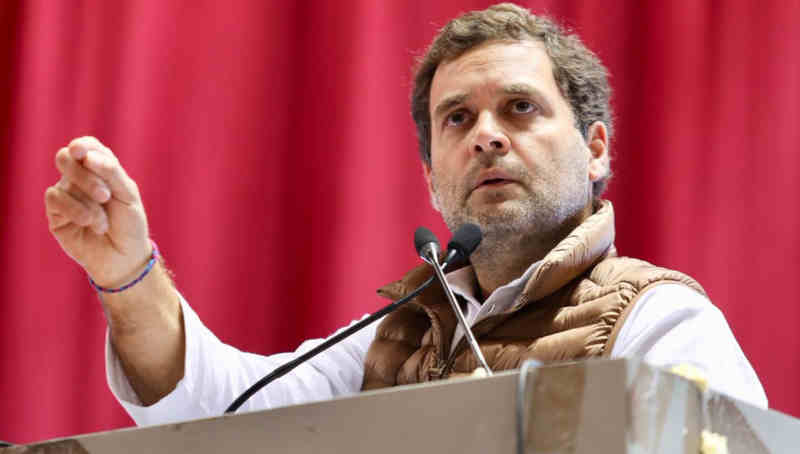
Rahul Gandhi Challenges Assets Probe
Rahul Gandhi has approached the Supreme Court to stall a deepening investigation by the Allahabad High Court into his disproportionate assets and citizenship status. This legal maneuver highlights a significant gap between his public demands for transparency and a private reluctance to face judicial scrutiny.
Raman Media Network Political Desk
New Delhi | August 14, 2026
Rahul Gandhi’s recent petition to the Supreme Court represents more than a standard legal appeal; it is a calculated effort to “incinerate” a rigorous inquiry initiated by the Allahabad High Court. This move, listed for August 17 before a bench led by Chief Justice Surya Kant, seeks to relocate proceedings away from a jurisdiction that has grown increasingly impatient with the lack of progress in probing Gandhi’s financial history. The Allahabad High Court had previously expressed dissatisfaction with the Central Bureau of Investigation (CBI), noting that its responses were insufficient and failed to show tangible progress.
The core of the legal volatility involves serious allegations of disproportionate assets and criminal violations of citizenship laws, specifically claims that Gandhi held a British passport. By escalating the matter to the apex court, Gandhi is effectively contesting the lower court’s demand for a fresh, detailed affidavit—a directive intended to end institutional lethargy. This strategic retreat suggests a fear of the investigative momentum that was beginning to force agencies to reveal relevant material.
Also Read:
[ Rahul Gandhi’s 2026 Protest: All Bark, No Bite ]
[ Rahul Gandhi: Tweet Opposition vs Action ]
Furthermore, Gandhi’s legal choices reflect a broader pattern characterized by some as “The Barking Dog” syndrome. This theory suggests that his aggressive rhetoric against the Modi regime serves as a defensive substitute for actual political action, as his capacity to lead is compromised by significant legal vulnerabilities. Entangled in the National Herald case involving alleged “proceeds of crime” worth ₹5,000 crore, there is a clear apprehension that new asset probes could merge into a career-ending money laundering conviction.
Ultimately, Gandhi’s refusal to face a fresh affidavit regarding his own assets serves as a litmus test for his commitment to the principles he champions. For a leader who frequently criticizes a lack of government transparency, his own legal maneuvers reveal a “do as I say, not as I do” approach. In a democracy, accountability must be absolute; by attempting to stall these investigations, Gandhi forfeits the moral standing required to hold the state accountable.
💛 Support Independent Journalism
If you find RMN News useful, please consider supporting us.