


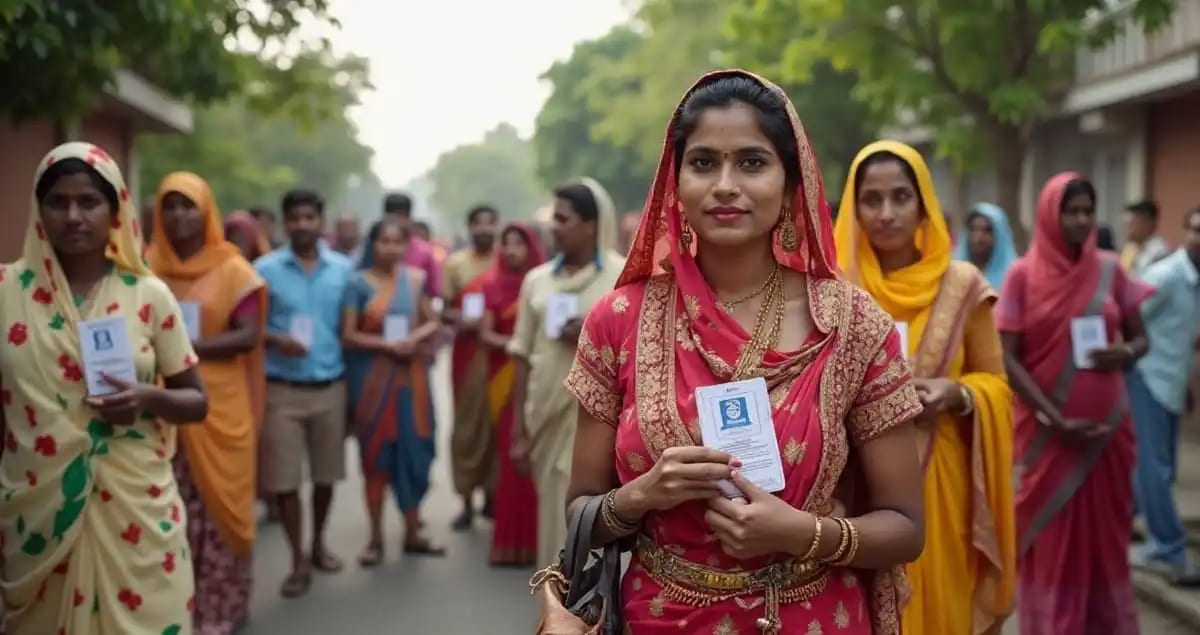
India EVM Crisis Deepens: Critics Warn of Transition to Managed Electoral Autocracy
India is confronting serious questions over the integrity of its Electronic Voting Machines (EVMs) and the independence of key institutions, with opposition voices and analysts alleging a shift toward managed autocracy. Critics highlight a lack of transparency from the Election Commission, institutional capture, and suppressed dissent as signs of democratic backsliding, even as the government projects strong global leadership. The controversy has triggered calls for international oversight amid broader concerns over judicial ethics, corruption, and public discontent.
Raman Media Network Political Desk
New Delhi | June 1, 2026
India’s democratic credentials are under intense scrutiny as allegations surrounding the use of Electronic Voting Machines (EVMs) fuel widespread debate about electoral integrity and institutional independence. Opposition parties and independent observers have long raised concerns about EVM vulnerabilities and potential manipulation, issues that have gained renewed prominence amid claims of systemic opacity.
According to reports and critical analysis, India risks transitioning from a vibrant representative democracy into what some describe as a “managed autocracy,” where technological hardware and institutional control may override the popular will. Detractors point to insufficient transparency in EVM processes and the Election Commission’s operations as central factors enabling what they term “electoral dictatorship.” These concerns are compounded by accusations of institutional capture across governance structures.
The political landscape is further complicated by what analysts call a “diplomatic smokescreen,” in which high-profile international engagements by Prime Minister Narendra Modi are seen as efforts to bolster India’s global image while domestic challenges mount. Additional pressures include ongoing corruption probes involving civil servants and questions about judicial integrity, contributing to a narrative of eroding democratic norms.
Broader societal challenges, including severe air pollution in Delhi — now the leading cause of death in the capital — and an impending heatwave, add to the sense of domestic strain. Critics argue these issues highlight a disconnect between projected national progress and ground-level realities.
The EVM controversy is not new. Opposition parties have repeatedly called for verifiable paper trails and greater safeguards since earlier election cycles. As of 2026, demands for independent international audits and technical oversight persist, reflecting deep polarization on the future of India’s electoral democracy.
This unfolding situation underscores the tension between technological governance tools and the foundational principles of transparent, accountable democracy. As India navigates these challenges, the global community watches closely for developments that could influence perceptions of the world’s largest democracy.
💛 Support Independent Journalism
If you find RMN News useful, please consider supporting us.