


Institutional Collusion and Administrative Defiance: Chinar CGHS Dwarka Faces RCS Inquiry Amidst Allegations of Extortion
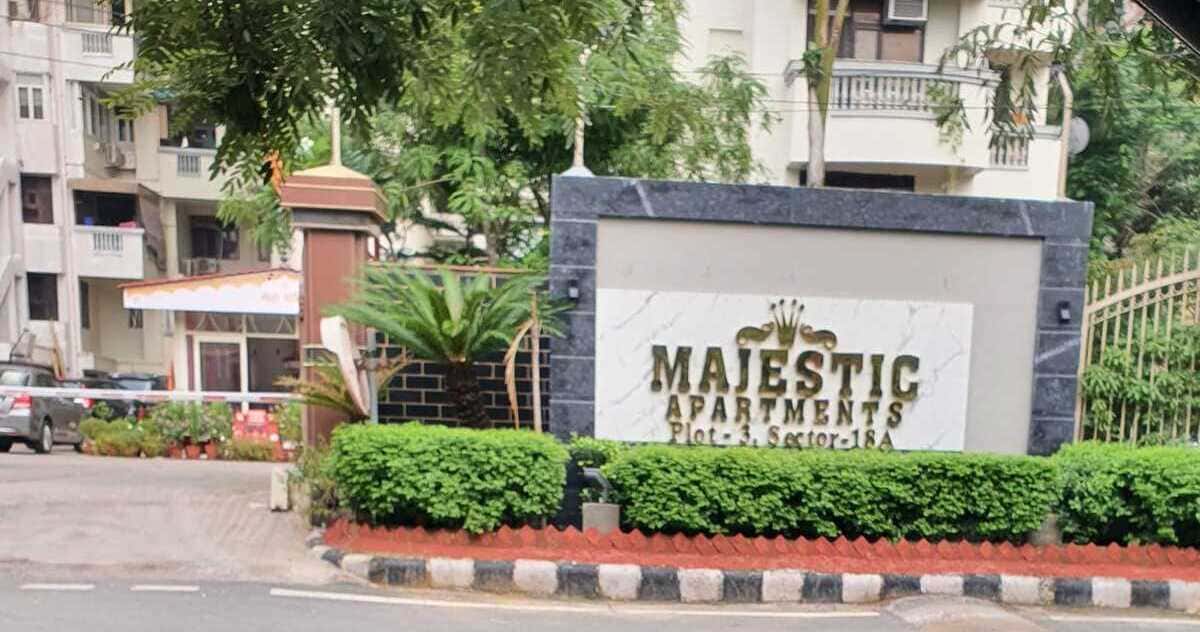
The Registrar Cooperative Societies (RCS) has initiated a formal inquiry into Chinar CGHS at Majestic Apartments, Dwarka, following severe allegations of extortion and defiance of legal directives. This investigation, triggered by the “Clean House” anti-corruption service, underscores a systemic breakdown of governance and alleged collusion between housing society management and Delhi’s bureaucratic infrastructure.
Raman Media Network Clean House Desk
New Delhi | August 5, 2026
RCS Launches Probe Into Dwarka’s Chinar CGHS Over Systemic Corruption
The cooperative housing sector in Delhi is currently grappling with a crisis of integrity as the Registrar Cooperative Societies (RCS) opens an investigation into Chinar CGHS, located at Majestic Apartments, Plot No. 3, Sector 18, Dwarka. The inquiry follows documented reports from the “Clean House” anti-corruption service, which has spent years exposing a persistent nexus between corrupt Management Committees (MCs) and government bureaucrats.
Severe Allegations Against Management: The “Clean House” investigation into Chinar CGHS has revealed a pattern of governance that allegedly prioritizes personal gain and administrative opacity over resident welfare. The documented charges against the society’s President and Secretary are extensive and include:
- Illegal Collection of Funds: The management is accused of collecting unauthorized “entry fees,” a practice characterized by investigators as extortion.
- Defiance of Directives: The MC has reportedly ignored specific instructions from the RCS and previous court orders, signaling a refusal to acknowledge higher legal authorities.
- RTI Law Violations: A documented failure to comply with Right to Information (RTI) mandates has stripped residents of necessary financial transparency.
Corruption in Delhi’s housing societies is transforming democratic cooperatives into “fiefdoms of unregulated power” through institutional collusion.
Institutional Apathy and Clerical Failures: While the RCS issued a letter on July 16, 2026, directing the Chinar CGHS MC to respond to corruption complaints within 15 days, the process has been criticized as perfunctory. The correspondence, prompted by a reference from the Delhi Lokayukta, was marred by clerical errors—such as using an incorrect gender prefix for the lead investigator—and significant delivery delays that stalled the pursuit of justice. Critics argue that without the threat of punitive action, such “standard letters” often serve to protect the status quo rather than enforce the rule of law.
[ 🔊 चिनार सीजीएचएस हाउसिंग सोसाइटी में भ्रष्टाचार और कुप्रबंधन की जांच: ऑडियो विश्लेषण ]
[ Process for Residents to File Complaints Against Housing Societies in Delhi ]
Escalation to Federal Authorities: The perceived failure of local bureaucratic oversight has necessitated the involvement of the Ministry of Home Affairs (MHA) and the Department of Personnel and Training (DoPT). Federal intervention is now targeting the bureaucratic chain of command, with corruption complaints filed for the prosecution of several senior IAS officers who allegedly allowed crime and corruption to flourish.
The “Clean House” service has labeled the Chinar CGHS leadership as the “Most Corrupt Management Committee” in Delhi following illegal attempts to silence whistleblowers.
Retaliation Against Whistleblowers: As the investigation intensifies, the Chinar CGHS MC has reportedly escalated its retaliation against those seeking justice. In a notable case, the committee moved to illegally cancel the membership and expel a resident whistleblower, an action that legally resides only with the RCS. Due to these aggressive measures and alleged financial crimes, “Clean House” has designated Chinar CGHS as the “Most Corrupt Management Committee” in Delhi.
The Path to Reform: The ongoing crisis at Chinar CGHS highlights the urgent need for residents to engage with formal investigative processes to combat bureaucratic apathy. True administrative reform in Delhi’s housing societies will require continued pressure from whistleblowers and rigorous intervention by federal authorities to ensure these cooperatives are governed by law rather than the whims of a corrupt few.
💛 Support Independent Journalism
If you find RMN News useful, please consider supporting us.