Trump Accuses NATO of Failing US in Iran Conflict After Tense Rutte Meeting

Trump Accuses NATO of Failing US in Iran Conflict After Tense Rutte Meeting
As the Iran conflict drives up household energy costs and disrupts global food supplies, the future of NATO appears more uncertain than at any point in its history.
By RMN News Service
New Delhi | April 9, 2026
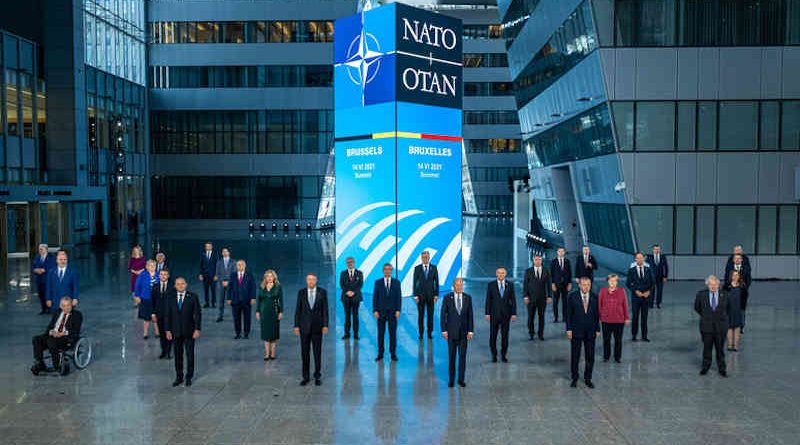
WASHINGTON — President Donald Trump sharply criticized NATO allies on Wednesday, calling the alliance a failure for not supporting the United States during its conflict with Iran.
The rebuke came shortly after a more-than-two-hour White House meeting with NATO Secretary General Mark Rutte. Rutte described the talks as “very frank” and “very open,” acknowledging clear disagreements between the leaders.
In a Truth Social post after the meeting, Trump wrote: “NATO WASN’T THERE WHEN WE NEEDED THEM, AND THEY WON’T BE THERE IF WE NEED THEM AGAIN.”
White House Press Secretary Karoline Leavitt echoed the president’s view, stating that NATO had been “tested and they failed” during Operation Epic Fury. She added that member nations “turned their backs on the American people,” who shoulder much of the alliance’s funding burden.
Trump also used the moment to revive his past complaints about a failed plan to acquire Greenland, calling it a “big, poorly run, piece of ice.”
Rutte offered a more measured assessment in a post-meeting interview. He said the alliance’s role presented a “nuanced picture,” noting that most European members had provided key support through basing rights, logistics, and overflights. He praised Trump’s leadership in weakening Iran’s nuclear program, saying the world is “absolutely” safer as a result. Rutte added that the majority of NATO countries do not consider the conflict illegal and support efforts to neutralize Iran’s nuclear capabilities.
The dispute highlights growing strain on the trans-Atlantic alliance. The U.S. is currently observing a two-week ceasefire with Iran, while global oil prices remain unstable due to tensions over the Strait of Hormuz. Trump has previously threatened to pull the U.S. out of NATO after some allies resisted calls to help reopen the vital shipping route.
Any U.S. withdrawal would face major legal hurdles: Congress passed legislation in late 2023 requiring a two-thirds Senate vote or specific congressional approval before any president could leave the alliance unilaterally.
As the Iran conflict drives up household energy costs and disrupts global food supplies, the future of NATO appears more uncertain than at any point in its history.
💛 Support Independent Journalism
If you find RMN News useful, please consider supporting us.