
Bollywood’s ₹4,000 Crore ‘Ramayana’ Under Fire as Tool for Political Propaganda
Bollywood’s ₹4,000 Crore ‘Ramayana’ Under Fire as Tool for Political Propaganda
Critics contend that these films are crafted for a “one-man audience” in New Delhi, allowing the Prime Minister to project a “demigod” persona while masking governance challenges affecting 1.4 billion Indians.
By RMN News Service
New Delhi | April 4, 2026
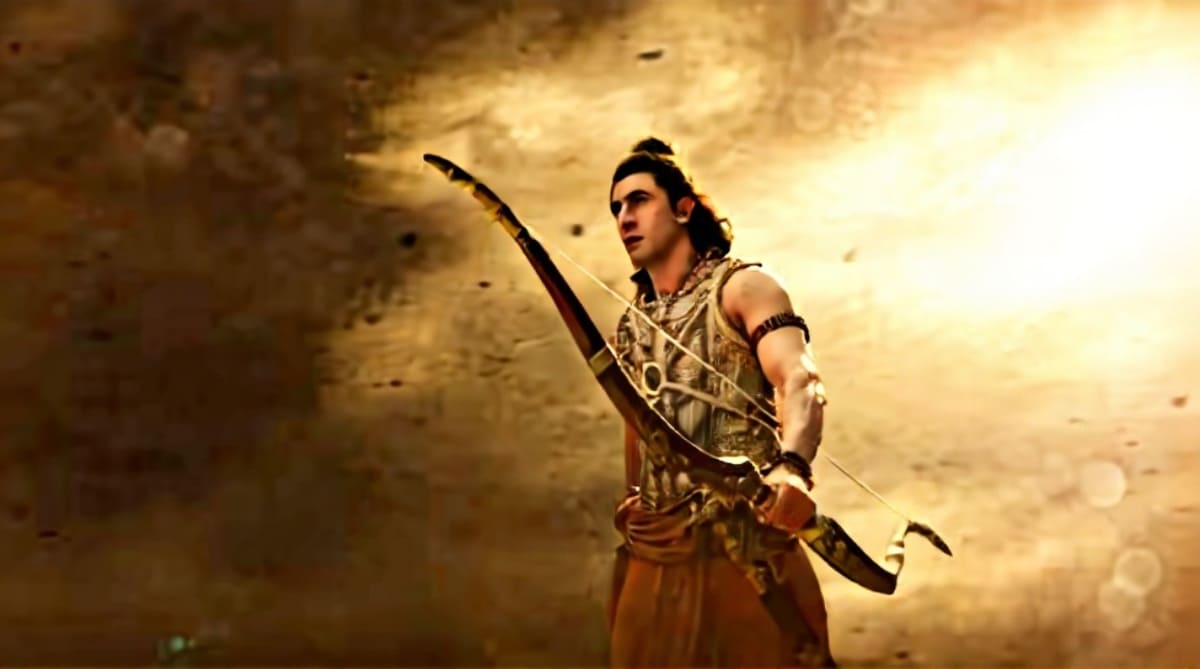
The unveiling of a massive new cinematic project, Ramayana, has sparked intense debate over the intersection of Bollywood and religious demagoguery in India. Billed as India’s answer to global blockbusters like Avatar, the film’s “Rama glimpse” was released to a global audience on April 2, 2026, coinciding with Hanuman Jayanti.
While the production highlights its massive scale, critics argue the project serves as a “narrative bridge” between the 2019 Ayodhya verdict and the ongoing autocratization of India under Prime Minister Narendra Modi.
Financial “Smoke and Mirrors”
The film, produced by Namit Malhotra, claims a staggering combined budget of ₹4,000 crore ($500 million) for its two parts. However, the sources describe these figures as “Financial Smoke and Mirrors,” noting a lack of transparent audits. Such astronomical numbers are allegedly used to create a false sense of “Historical Scale” to justify the regime’s narrative of a “New Era”.
A Strategic Release Calendar
The timing of the film’s rollout has drawn significant scrutiny. Part One is scheduled for release in October 2026 (Diwali), followed by Part Two in October 2027. Analysts suggest this schedule is perfectly aligned with election cycles to ensure the “Rama” name remains in headlines, potentially serving as a tool for voter polarization.
[ रामायण: सिनेमाई चकाचौंध में छिपी राजनीतिक सत्ता का खेल: ऑडियो विश्लेषण ]
Casting and Global Ambitions
The production features high-profile casting aimed at merging traditional Bollywood royalty with nationalist narratives:
- Ranbir Kapoor stars as Lord Rama.
- Sunny Deol, a former BJP MP, portrays Hanuman, a move critics say integrates “Old Bollywood” with the regime’s militant nationalist narratives.
- The inclusion of Hollywood composer Hans Zimmer alongside AR Rahman is viewed as an attempt to “Internationalize” the propaganda, presenting a religious retelling as a global cinematic milestone.
Mythology Over Policy
The sources suggest that by centering films on Rama, Bollywood is moving beyond simple nationalism into a realm where mythology replaces policy. Critics contend that these films are crafted for a “one-man audience” in New Delhi, allowing the Prime Minister to project a “demigod” persona while masking governance challenges affecting 1.4 billion Indians. Ultimately, the project is characterized not as art, but as “Culture Poisoning“ designed to sustain a political cult through high-octane VFX and celebrity devotion.
💛 Support Independent Journalism
If you find RMN News useful, please consider supporting us.