Kim Jong Un Secures 99.93% Victory in North Korean Elections
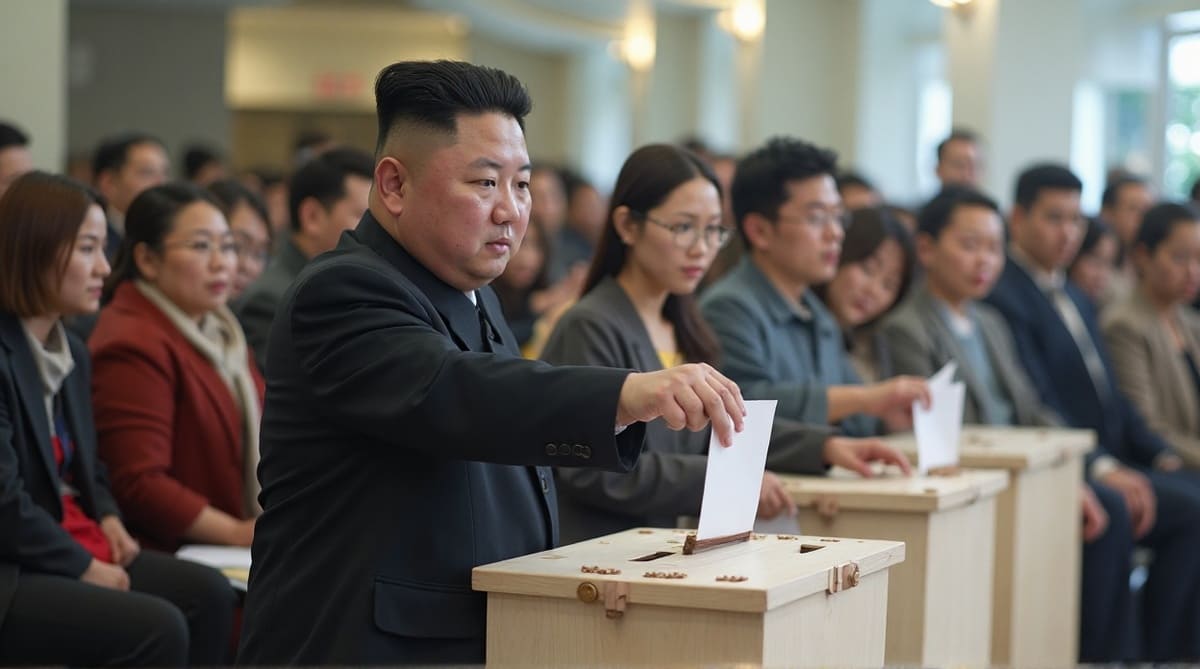
Kim Jong Un Secures 99.93% Victory in North Korean Elections
The results come amid growing global scrutiny of so-called “electoral autocracies,” where single-party dominance or institutional mechanisms are said to create an illusion of democratic choice.
By RMN News Service
New Delhi | March 19, 2026
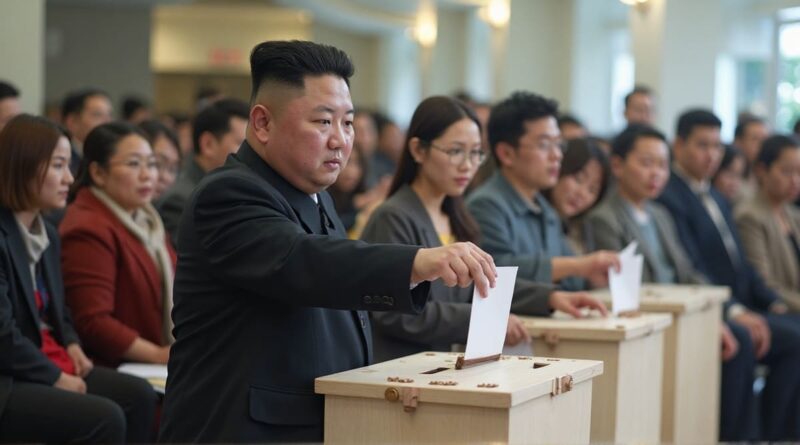
Pyongyang, March 19, 2026 – North Korean leader Kim Jong Un has consolidated his absolute control following the country’s parliamentary elections, with the ruling Workers’ Party of Korea and its allies claiming every one of the 687 seats in the Supreme People’s Assembly and a reported 99.93 percent share of the vote, according to state media.
The election, held on March 15, recorded an official voter turnout of 99.99 percent. Authorities said the tiny number of non-voters—0.0037 percent—were mostly citizens working abroad or at sea. Since taking power in 2011, Kim has steadily strengthened his authority, including through 2019 constitutional amendments that formalized his “monolithic” leadership over the military and state institutions.
Also Read:
[ Smokescreen Report Examines Electoral Narratives, Institutional Power, and Democratic Risk in India ]
[ USCIRF Urges “Country of Particular Concern” Designation for India ]
[ PM Modi’s India Identified as Primary Driver of Global Democratic Decay in New V-Dem Report ]
In a significant break from long-standing practice, North Korean media openly reported that 0.07 percent of voters cast “no” ballots against the official candidates—the first such public admission of any electoral opposition since 1957. Under the country’s tightly controlled system, each constituency offers only a single pre-approved candidate, giving voters the binary choice of acceptance or rejection.
International observers interpret the rare disclosure of dissent as a deliberate attempt by the regime to present a slightly more credible or “realistic” image to the outside world while maintaining ironclad control.
The results come amid growing global scrutiny of so-called “electoral autocracies,” where single-party dominance or institutional mechanisms are said to create an illusion of democratic choice. North Korea’s single-candidate model stands as the most overt example, though analysts note parallels with more subtle forms of power retention seen in other nations through media influence and institutional capture.
💛 Support Independent Journalism
If you find RMN News useful, please consider supporting us.