Bangladesh Plunges into Turmoil After Assassination and Death of Prominent Youth Leader Sharif Osman Hadi
Bangladesh Plunges into Turmoil After Assassination and Death of Prominent Youth Leader Sharif Osman Hadi
The unrest comes amid ongoing political tensions, including the recent in-absentia death sentence handed to Sheikh Hasina by Bangladesh’s International Crimes Tribunal for crimes against humanity during the 2024 uprising.
By RMN News Service
New Delhi | December 19, 2025
Dhaka, December 19, 2025 – Bangladesh has been gripped by widespread unrest and violence following the death of Sharif Osman Hadi, a 32-year-old key figure in the 2024 July Uprising that toppled former Prime Minister Sheikh Hasina’s government. Hadi, spokesperson for the Inqilab Mancha platform and an independent candidate for the upcoming February 12 general elections, succumbed to his injuries on December 18 in a Singapore hospital after being shot in the head during an assassination attempt on December 12 in Dhaka’s Bijoynagar area.
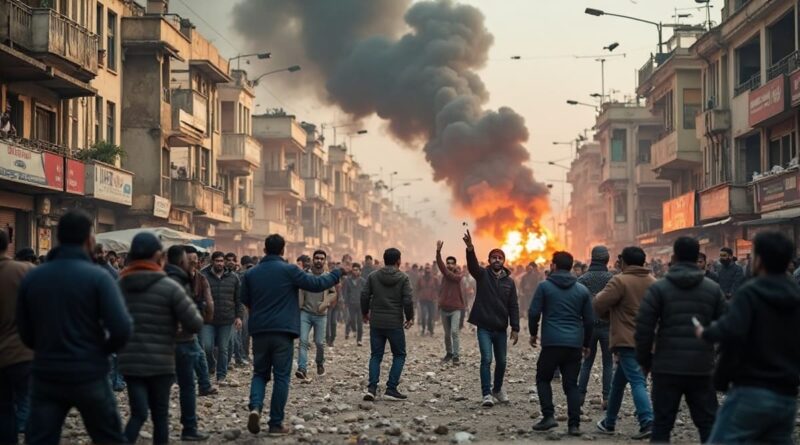
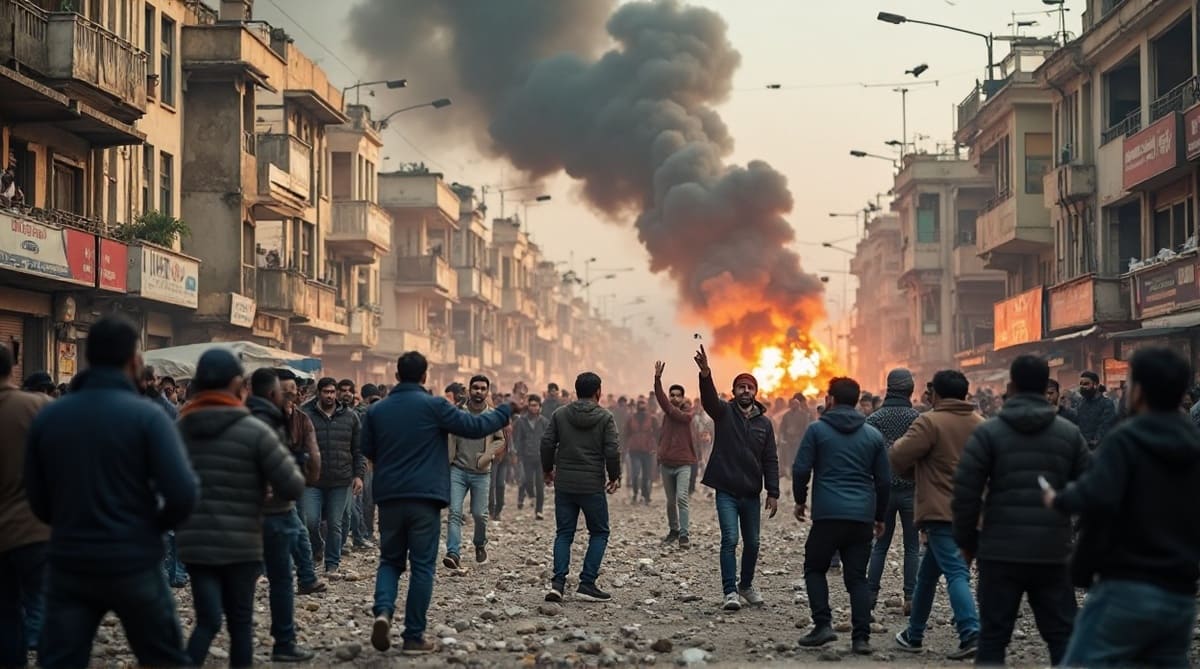
The news of his death triggered immediate outrage, with thousands of protesters flooding the streets of Dhaka and other cities, demanding justice and the swift arrest of his killers. Clashes with authorities erupted, leading to arson and vandalism across the country.
In a particularly alarming escalation, angry mobs targeted major media outlets perceived by some protesters as aligned with pro-India or pro-Hasina interests. The offices of Bangladesh’s two leading newspapers, Prothom Alo and The Daily Star, were vandalized and set ablaze in coordinated attacks late Thursday night into Friday morning. Journalists inside the buildings reported being trapped amid thick smoke, with some pleading for help as fires raged. Authorities deployed police and paramilitary forces to contain the blazes, but damage was extensive.
Violence spread beyond the capital. In Rajshahi, protesters torched an Awami League party office and the residence associated with Sheikh Mujibur Rahman, Bangladesh’s founding father. Reports also emerged of attacks on properties linked to former Awami League figures in other regions, including Chittagong.
The protests carried a strong anti-India undercurrent, with demonstrators marching toward the Indian High Commission in Dhaka under the “July Unity” banner, chanting slogans against alleged “anti-Bangladesh conspiracies” and calling for the extradition of Sheikh Hasina, who has been in exile in India since August 2024. Stones were hurled at Indian diplomatic premises in Chittagong, prompting the closure of two Indian visa centers and heightened security measures.
Interim government Chief Adviser Muhammad Yunus addressed the nation late Thursday, confirming Hadi’s death and describing it as an “irreparable loss.” He declared Saturday, December 20, a national day of mourning, with flags to fly at half-staff and special prayers planned. Yunus urged calm, emphasizing that democracy “cannot be halted through fear, terror, or bloodshed,” while vowing a thorough investigation into the assassination.
The unrest comes amid ongoing political tensions, including the recent in-absentia death sentence handed to Sheikh Hasina by Bangladesh’s International Crimes Tribunal for crimes against humanity during the 2024 uprising. With elections approaching and reforms delayed, analysts warn that Hadi’s death could further destabilize the fragile transition, raising concerns over law and order ahead of the vote.
As security forces remain on high alert, the nation mourns a polarizing yet influential youth leader whose killing has reignited deep-seated divisions.
💛 Support Independent Journalism
If you find RMN News useful, please consider supporting us.