Supreme Court Rejects Bail for Umar Khalid Amid Escalating Global Scrutiny on India’s Judiciary
Supreme Court Rejects Bail for Umar Khalid Amid Escalating Global Scrutiny on India’s Judiciary
Domestically, the ruling aligns with criticisms outlined in the “India Judicial Research Report 2025,” which accuses the judiciary of widespread corruption and injustice.
By RMN News Service
New Delhi | January 5, 2026
In a significant ruling, India’s Supreme Court has denied bail to prominent activist Umar Khalid and fellow accused Sharjeel Imam, citing their alleged elevated roles in the conspiracy surrounding the 2020 Northeast Delhi riots. The decision arrives amid mounting international calls for Khalid’s release and broader concerns about the erosion of judicial independence in the country.
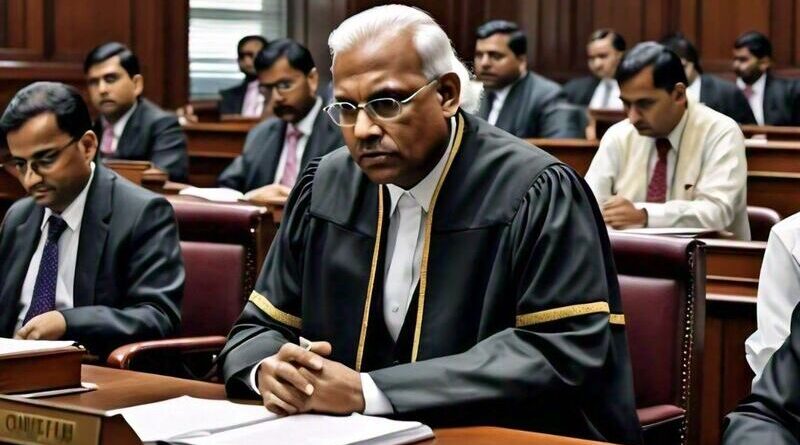
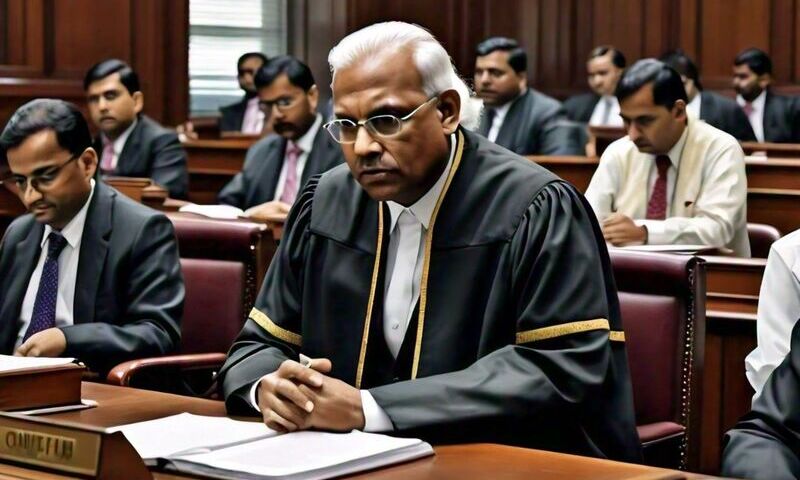
The bench, led by Justices Aravind Kumar and Prasanna B. Varale, emphasized that Khalid and Imam occupied a “higher footing in the hierarchy of participation” compared to five other co-accused who received conditional bail. Drawing on evidence presented by the prosecution, the court upheld that under Section 43D(5) of the Unlawful Activities (Prevention) Act (UAPA), there exist reasonable grounds to consider the charges against them as “prima facie true,” thereby justifying the denial of bail.
Khalid’s legal team, represented by senior advocate Kapil Sibal, countered that their client was absent from Delhi during the riots and that no weapons or incriminating items were recovered from him. Sibal highlighted that Khalid faces charges in only one of the 751 First Information Reports (FIRs) linked to the violence, questioning the basis for his prolonged detention.
This verdict intensifies global attention on Khalid’s case, with eight U.S. lawmakers—including Senator Chris Van Hollen and Representative Pramila Jayapal—recently penning a letter to India’s U.S. Ambassador. The lawmakers voiced alarm over Khalid’s nearly five-year imprisonment without trial, arguing it contravenes international due process norms and the presumption of innocence.
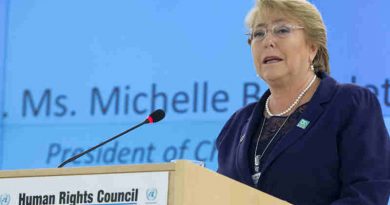
Adding to the pressure, a petition has been submitted to UN High Commissioner for Human Rights Volker Türk, advocating for the freedom of Khalid and others deemed arbitrarily detained for voicing dissent against government actions.
Domestically, the ruling aligns with criticisms outlined in the “India Judicial Research Report 2025,” which accuses the judiciary of widespread corruption and injustice. Observers have pointed to apparent inconsistencies in legal treatment, noting that Bharatiya Janata Party (BJP) leader Kapil Mishra—whose inflammatory speeches were implicated in the riots—has evaded detention despite a court directive for investigation.
Khalid, a former student at Jawaharlal Nehru University, has remained in custody since 2020. He was briefly granted interim bail in late 2025 to attend his sister’s wedding, but his full bail application has been repeatedly contested.
As international and domestic voices grow louder, the case underscores ongoing debates about the balance between national security laws and fundamental rights in India’s legal framework.
💛 Support Independent Journalism
If you find RMN News useful, please consider supporting us.