Digital Access Breakdown at Delhi Cooperative Tribunal Sparks Judicial Transparency Concerns
Digital Access Breakdown at Delhi Cooperative Tribunal Sparks Judicial Transparency Concerns
Beyond the website, the DCT’s official communications have been criticized for significant procedural shortcomings.
By Rakesh Raman
New Delhi | March 25, 2026
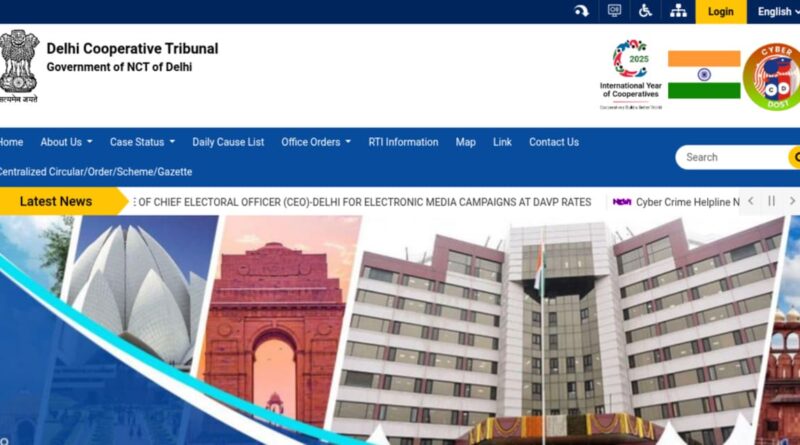
NEW DELHI — The functioning of the Delhi Cooperative Tribunal (DCT) has come under intense scrutiny following systemic failures in its digital infrastructure, raising serious alarms regarding transparency and the public’s access to justice.
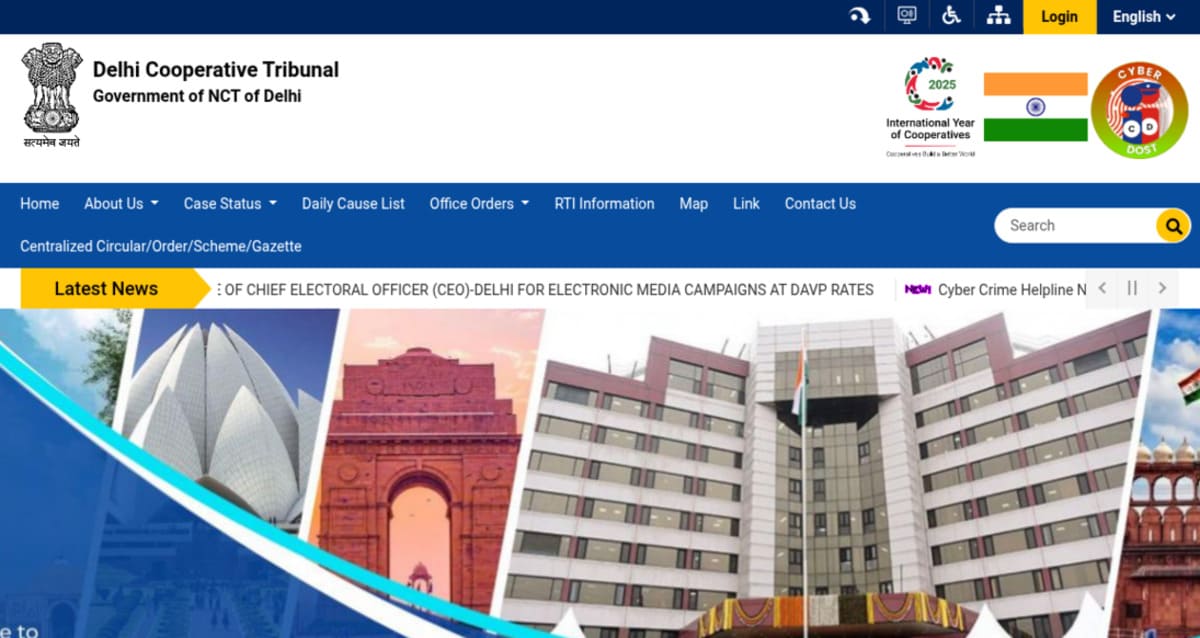
Users attempting to utilize the tribunal’s official website are reportedly encountering “No content available” messages across essential sections, including “Contact Us” and “RTI Information”. These digital deficiencies are described as more than technical glitches; they are viewed as significant barriers that hinder the ability of litigants to track cases and access reliable judicial records.
Lack of Institutional Transparency: A formal administrative complaint, filed on March 23, 2026, by journalist and RMN Foundation founder Rakesh Raman, highlights a complete lack of institutional transparency. The complaint notes that the DCT website fails to disclose the names or designations of Tribunal Members, Judges, or administrative officers like the Registrar. Furthermore, no official email addresses or digital communication channels are provided to the public.
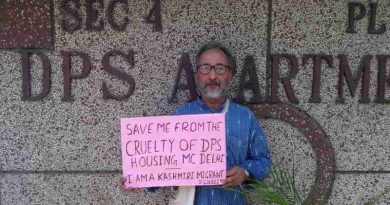
[ क्या दिल्ली सहकारी अधिकरण हाउसिंग सोसाइटी के निवासियों को न्याय दे सकता है? ऑडियो विश्लेषण ]
The complaint further alleges that the DCT is in non-compliance with Section 4 of the RTI Act, which requires quasi-judicial bodies to proactively publish their organizational structure, decision-making processes, and contact details.
Procedural and Communication Failures: Beyond the website, the DCT’s official communications have been criticized for significant procedural shortcomings. Issues identified include:
- Identification: Notices are issued without clearly identifying the issuing authority.
- Drafting Errors: Documents reportedly contain careless drafting and avoidable spelling mistakes.
- Digital Integration: Unlike much of the Indian judiciary, the DCT lacks video conferencing facilities or clear instructions for remote participation in hearings.
Impact on Litigants: These deficiencies have a cumulative effect on the justice system, creating confusion for citizens and reducing institutional accountability. The complaint argues that the current state of the tribunal erodes public confidence and creates unfair barriers for those unable to attend hearings physically.
Recent Developments: The complaint has been submitted to the Hon’ble Lieutenant Governor of Delhi and the Registrar General of the Delhi High Court, seeking immediate upgrades to the tribunal’s website and the implementation of digital access mechanisms.
As of March 24, 2026, the Office of the Chief Minister of Delhi has formally acknowledged the complaint and forwarded it to the concerned minister for action. However, new challenges have emerged regarding the CM Jan Sunwai Portal, where a reduced attachment size limit of 500 KB is reportedly restricting the submission of supporting evidence, further complicating the digital grievance process.
By Rakesh Raman, who is a national award-winning journalist and social activist. He is the founder of a humanitarian organization RMN Foundation which is working in diverse areas to help the disadvantaged and distressed people in the society.
💛 Support Independent Journalism
If you find RMN News useful, please consider supporting us.