International Pressure Builds on India Over Activist Umar Khalid’s Extended Detention Amid Judicial Concerns
International Pressure Builds on India Over Activist Umar Khalid’s Extended Detention Amid Judicial Concerns
This diplomatic push coincides with the publication of the “India Judicial Research Report 2025: Decline of the Indian Judiciary,” a document archived on the international research platform Zenodo.
By Rakesh Raman
New Delhi | January 2, 2026
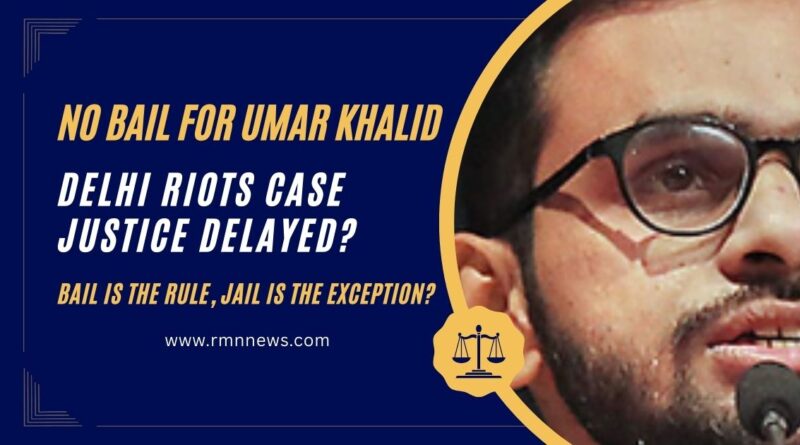
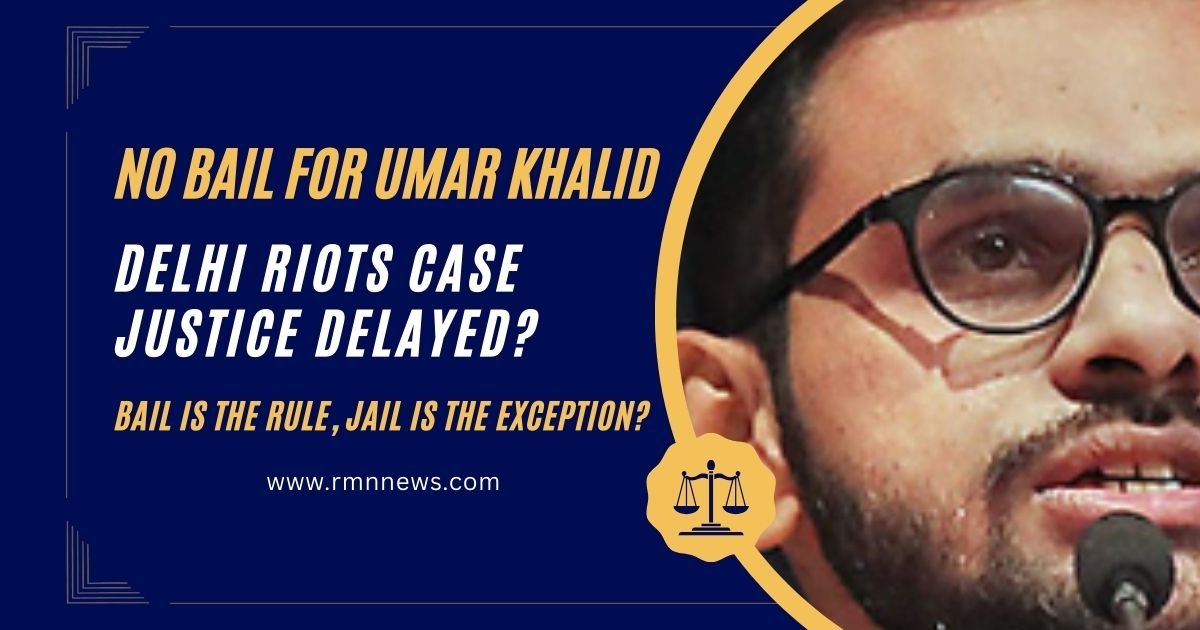
Growing international attention is focusing on the case of Indian activist Umar Khalid, who has been detained for nearly five years without bail, sparking accusations of judicial erosion and human rights violations in India. A coalition of eight prominent U.S. lawmakers has called on the Indian government to ensure a swift and fair trial, highlighting potential breaches of global due process norms.
In a recent letter to India’s Ambassador to the United States, Vinay Kwatra, the lawmakers – including Democrat Jim McGovern, Senator Chris Van Hollen, Congressman Jamie Raskin, Senator Peter Welch, Congresswomen Pramila Jayapal and Rashida Tlaib – voiced alarm over Khalid’s prolonged imprisonment. They emphasized the principle of presumption of innocence and argued that his detention may infringe on rights to equality before the law and proportionality under international standards. The group met with Khalid’s family last month, following a supportive visit from New York City’s newly elected Mayor, Zohran Mamdani, who also connected with Khalid’s parents in December.
This diplomatic push coincides with the publication of the “India Judicial Research Report 2025: Decline of the Indian Judiciary,” a document archived on the international research platform Zenodo. The report accuses India’s courts of widespread corruption and severe human rights abuses under the current administration, painting a picture of a faltering justice system.
Critics have drawn sharp contrasts between Khalid’s treatment and that of Bharatiya Janata Party (BJP) leader Kapil Mishra, who faces allegations related to inciting the 2020 Northeast Delhi riots. Despite a court directive for a First Information Report (FIR) and further probe into Mishra’s involvement, he reportedly operates with apparent state protection and impunity. Observers suggest this disparity indicates judicial intimidation by the ruling regime, where political allies evade accountability while dissenters like Khalid endure indefinite custody.
The controversy has escalated to the United Nations, with a 2024 petition submitted to UN High Commissioner for Human Rights Volker Türk demanding the release of Khalid and other detained figures, including Amritpal Singh and Engineer Rashid. The appeal claims these individuals are political prisoners held arbitrarily for criticizing government overreach.
Khalid, charged under India’s stringent Unlawful Activities (Prevention) Act (UAPA) in connection with the Delhi riots conspiracy, was briefly granted interim bail from December 16 to 29, 2025, to attend his sister’s wedding. However, his main bail application is still awaiting a decision from the Supreme Court of India.
As global watchdogs and human rights advocates continue to monitor the case, it underscores broader tensions between domestic legal practices and international expectations of justice. The ongoing scrutiny raises questions about the balance of power in India’s judiciary and the protection of free speech.
By Rakesh Raman, who is a national award-winning journalist and social activist. He is the founder of a humanitarian organization RMN Foundation which is working in diverse areas to help the disadvantaged and distressed people in the society.
💛 Support Independent Journalism
If you find RMN News useful, please consider supporting us.