Supreme Court Stays Bail for Ex-BJP MLA Kuldeep Sengar in Unnao Rape Case Amid Protests
Supreme Court Stays Bail for Ex-BJP MLA Kuldeep Sengar in Unnao Rape Case Amid Protests
The India Judicial Research Report 2025 (IJRR 2025) has amplified these concerns, calling for greater accountability, such as live-streamed prosecutions of judges suspected of delivering biased judgments through independent juries.
By RMN News Service
New Delhi | December 29, 2025
In a dramatic turn of events, India’s Supreme Court has intervened to stay a recent bail order granted to former Bharatiya Janata Party (BJP) legislator Kuldeep Singh Sengar, who was convicted in the infamous 2017 Unnao rape case. The decision comes just days after the Delhi High Court suspended Sengar’s life sentence on December 23, allowing him temporary release pending appeal, a move that ignited widespread public outrage and protests across the capital.
The Supreme Court bench, comprising Chief Justice of India (CJI) Surya Kant along with Justices J.K. Maheshwari and A.G. Masih, issued the stay following an urgent plea from the Central Bureau of Investigation (CBI). During the hearing, CJI Kant described the case as “peculiar,” noting that while courts typically avoid revoking granted liberty, Sengar is already incarcerated for a separate offense. The court has ordered Sengar to submit a formal response within four weeks, with the matter slated for further hearing in the last week of January.
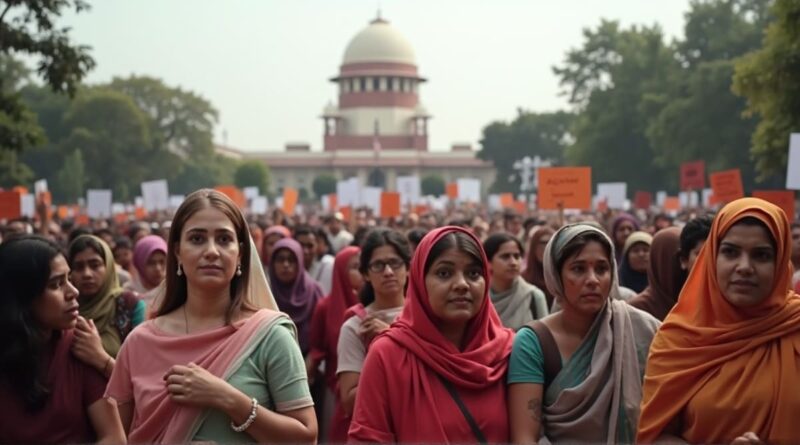
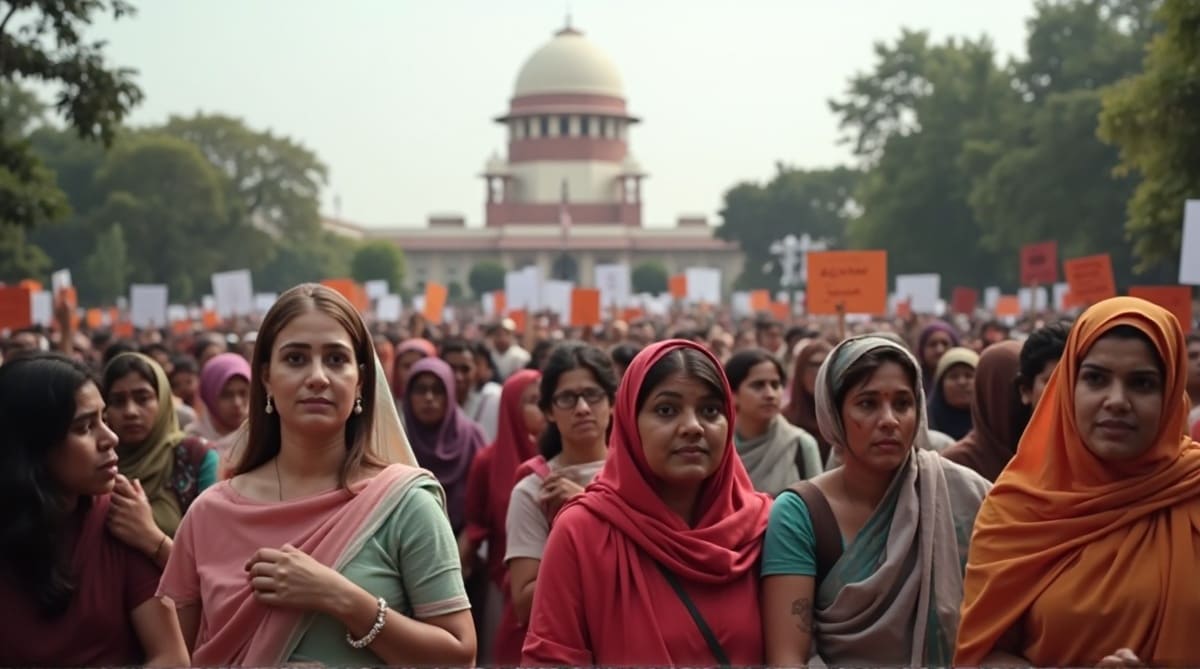
The High Court’s bail ruling had triggered immediate backlash, including large-scale women-led demonstrations outside both the Delhi High Court and the Supreme Court buildings. The 25-year-old survivor of the assault joined the protesters, delivering a powerful statement that resonated nationwide: “If the convict gets bail in a case like this, how will the country’s daughters remain safe? For us, this decision is no less than ‘kaal’ (death). Those with money win, those without money lose.” Her words underscored growing concerns about the influence of wealth and political power in the judicial system.
RELATED RMN NEWS REPORTS
[ Beyond the Headlines: 3 Disturbing Truths the Unnao Rape Case Bail Decision Reveals ]
[ A Critical Legal Analysis of the Delhi High Court’s Judgment in Unnao Rape Case ]
Sengar, a once-prominent politician from Uttar Pradesh, was sentenced to life imprisonment for the rape of a minor in Unnao, a case that drew national attention due to allegations of intimidation and cover-ups involving his family and associates. The Supreme Court’s action has been hailed by activists as a response to public pressure, but critics argue it highlights deeper systemic issues, including a perceived “bribe for bail” culture and a two-tiered justice system favoring the elite.
The India Judicial Research Report 2025 (IJRR 2025) has amplified these concerns, calling for greater accountability, such as live-streamed prosecutions of judges suspected of delivering biased judgments through independent juries. As one analyst put it, the justice system resembles an unbalanced scale, where political clout and financial resources can tip the outcome, often at the expense of truth and fairness.
This development marks a critical moment in the ongoing fight for judicial reform in India, with many hoping it sets a precedent for prioritizing victims’ voices over influential defendants.
💛 Support Independent Journalism
If you find RMN News useful, please consider supporting us.